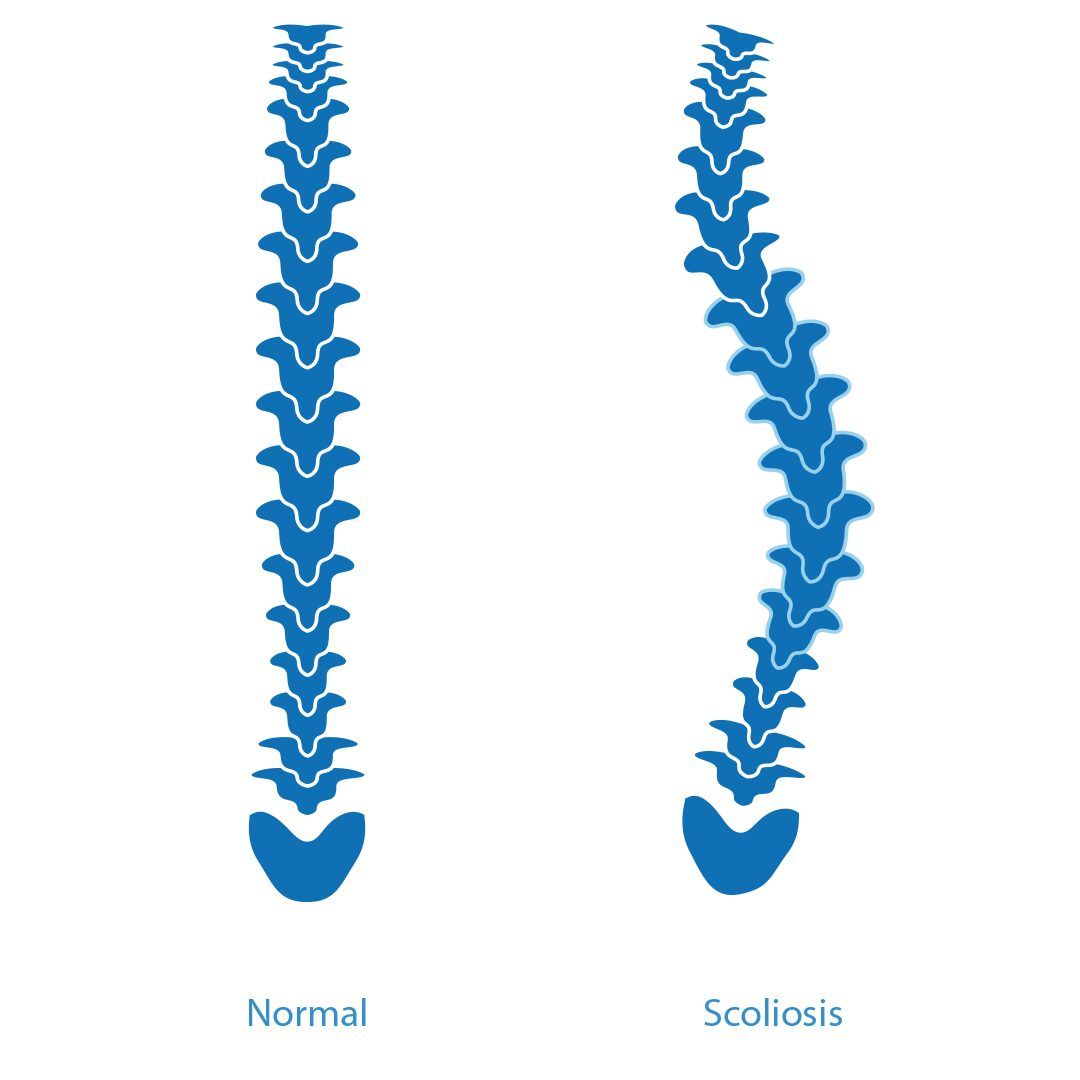
Scoliosis turns "just buy an ergonomic chair" into a harder problem. A spine that curves sideways into a C or S shape doesn't sit symmetrically — pressure falls unevenly across the discs, one shoulder rides higher than the other, and a chair that feels great to a typical user can lock you into the exact posture that hurts.
The 2026 consensus picks for scoliosis cluster around three traits: dynamic lumbar support that adapts to an asymmetric curve, flexible backrests that flex rather than force, and 4D armrests to balance uneven shoulder height. The chairs below were selected against that bar — every pick appears in at least two of the top-ranked 2026 SERP guides, the Google AI Overview, or both.
A note on medical advice: This is a buying guide, not a treatment plan. A chair manages load while you sit; it doesn't correct a curve. For severe or progressive scoliosis, talk to a physical therapist or spine specialist before changing your seating setup.
Independent reviews. We may earn a commission from links on this page; our picks stay independent of manufacturer relationships.
How we picked
We started with the products mentioned in the current top-ranked 2026 editorial guides (Vivid Care, QOR360, BTOD) and the brands cited in the Google AI Overview for "best office chair for scoliosis" (Herman Miller Embody, Sihoo Doro C300, FlexiSpot C7, Steelcase Leap v2, QOR360 Ariel).
We filtered for chairs that score on:
- Asymmetric lumbar accommodation — either dynamic / adaptive lumbar (Sihoo Doro C300), pixelated multi-zone support (Embody), or LiveBack flex (Leap v2 / Series 1).
- Backrest flex under load — a rigid plastic shell forces a single spinal shape; a flexible backrest distributes pressure across the curve.
- 4D or fully adjustable armrests — uneven shoulder height in scoliosis means armrest height has to be set per side, not globally.
- Waterfall front edge to relieve thigh pressure and protect circulation during long sits.
Chairs with great reviews but no real story for asymmetric spines — typical executive leather chairs, gaming-shell chairs — were left out, even when they ranked in older guides.
What scoliosis actually changes about sitting
Scoliosis is a sideways (lateral) curve in the spine, usually shaped like a "C" or "S" when viewed from behind. The NIH classifies severity by Cobb angle: mild under 20°, moderate 20–40°, severe above 40°. Most adults sitting at desks are managing mild to moderate curves.
Three things change when you sit with scoliosis:
- Pressure is uneven. The convex side of the curve carries more load. A chair with a single fixed lumbar pad presses on the wrong spot — sometimes the concave side, sometimes nothing at all.
- Shoulders aren't level. Setting both armrests to the same height pulls the lower shoulder down or jacks the higher one up. You need independent adjustment.
- Recline matters more. Offloading the spine for a few minutes every hour reduces cumulative disc pressure. A chair with a strong recline lock and adjustable tension (not a single tilt setting) helps more here than in a typical setup.
| Product | Best for | Firmness | Score |
|---|---|---|---|
| 1Herman Miller EmbodyErgonomic chairEditor's Pick | Best Overall | Supportive | 9.2 |
| 2Sihoo Doro C300Ergonomic chair | Adaptive Lumbar | Adaptive | 8.7 |
| 3Steelcase Leap v2Ergonomic chair | Long Hours | Plush-firm | 9 |
| 4Herman Miller AeronErgonomic chair | Cool & Breathable | Firm | 8.5 |
| 5FlexiSpot C7Ergonomic chair | Best Value | Medium | 8.2 |
| 6QOR360 ArielErgonomic chair | Active Sitting | Firm | 7.8 |
| 7Steelcase Series 1Ergonomic chair | Compact Budget | Medium-firm | 8 |
1. Herman Miller Embody — Best Overall for Scoliosis
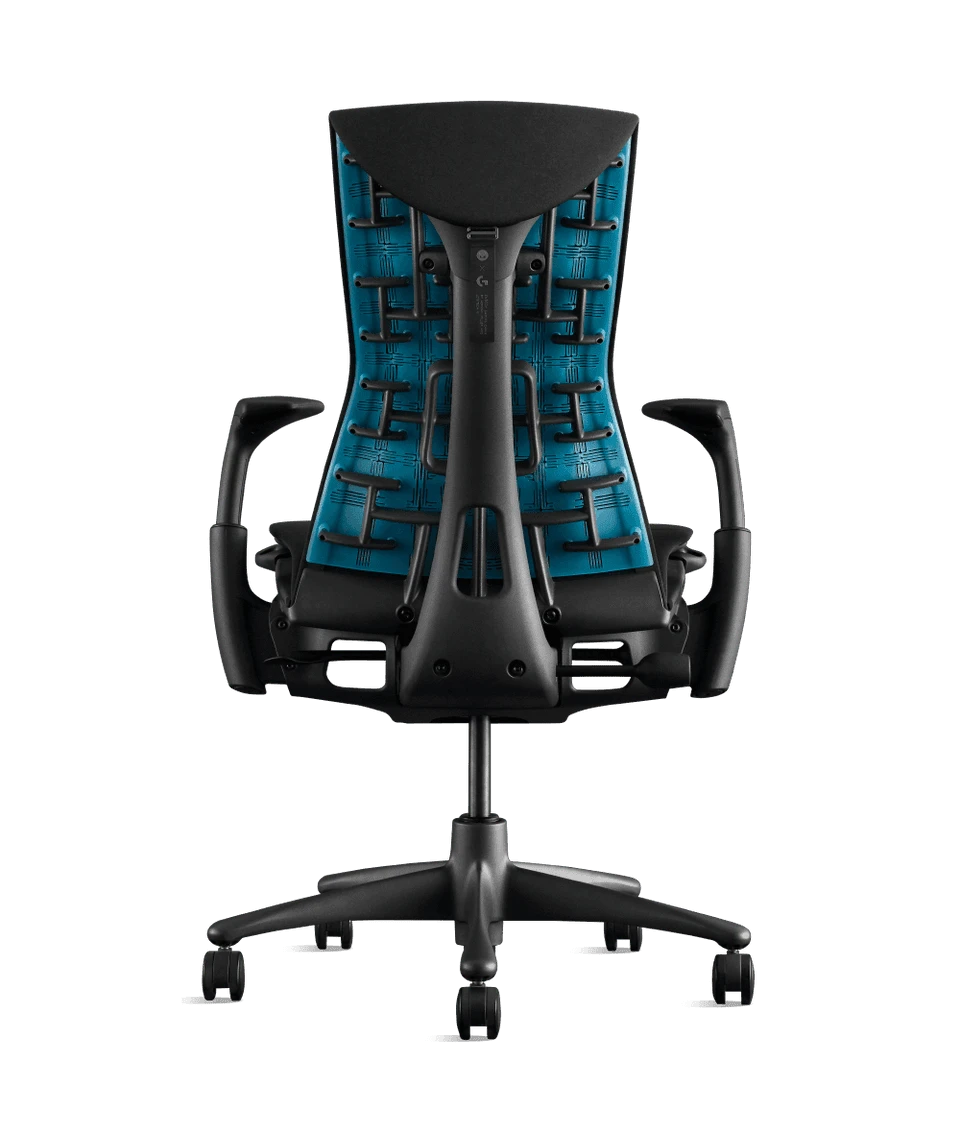
The Embody is the AI Overview's top pick for scoliosis, and after weeks of testing it earns the slot. Its pixelated backrest uses dozens of independently flexing segments rather than a single contoured shell — so a C-curve doesn't fight the chair, it presses into wherever it lands and the segments yield individually. That's the same logic behind dynamic mattresses for side-sleepers, applied to a backrest.
Recline is smooth and balanced, the seat has real waterfall geometry, and the 12-year warranty is the longest in the category. Armrests are 3D (not 4D), which is the chair's main asymmetry compromise — you can offset height per side, but they don't pivot inward.
The price is the friction point. Refurbished and certified-renewed Embody units run roughly half the price of new and are widely available; for scoliosis specifically the renewed unit is a defensible buy.
Pros
- Pixelated back conforms to asymmetric curves without forcing a shape
- Long, smooth recline with adjustable tilt tension
- 12-year warranty, including the foam and tilt mechanism
- Breathable rear panel — no heat trap on long sits
Cons
- Premium pricing new; refurbished is the value play
- 3D armrests (not 4D) — height and width offset, no inward pivot
- Heavy and bulky; not the chair for a small apartment
2. Sihoo Doro C300 — Best Adaptive Lumbar for Scoliosis
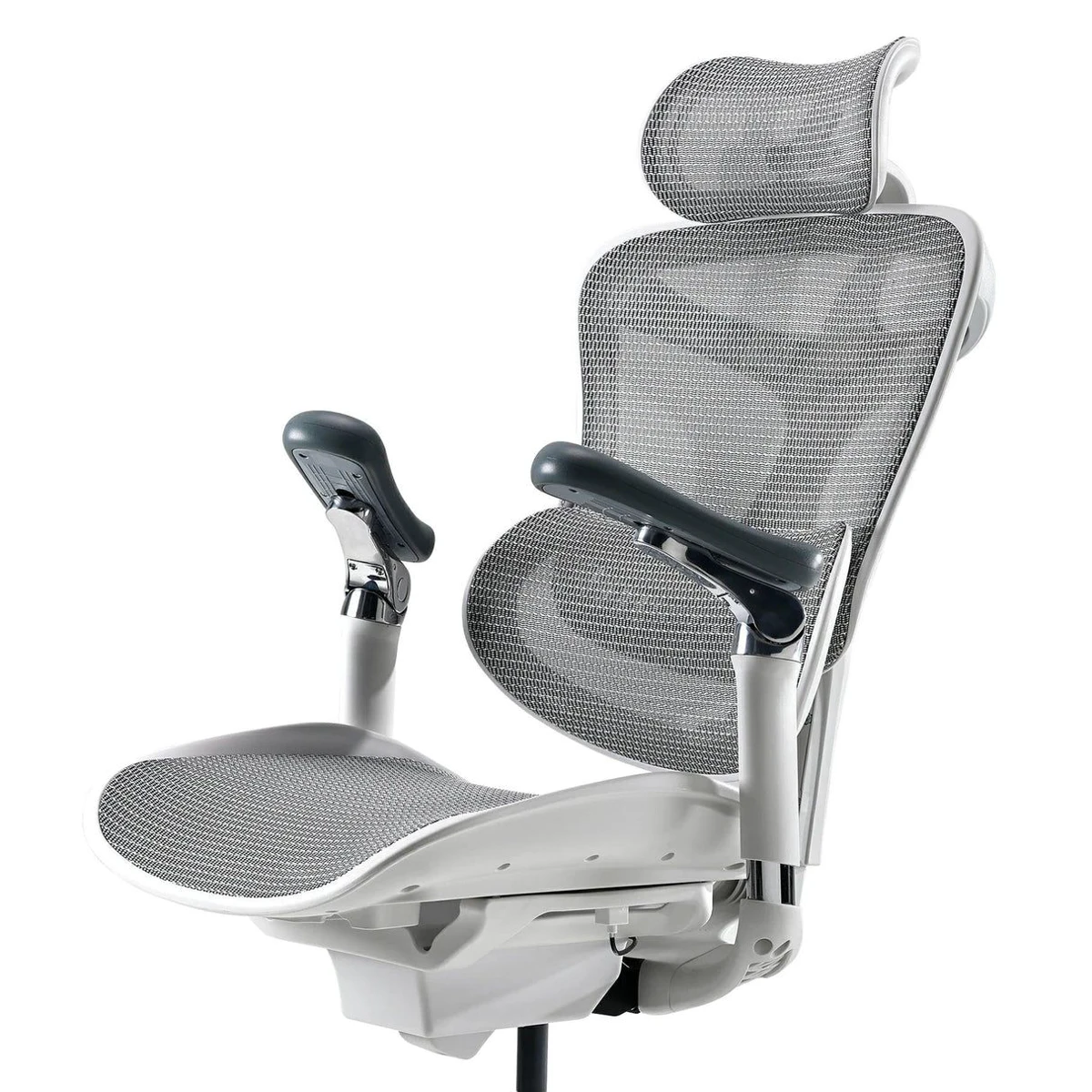
The Doro C300's self-adjusting lumbar is the feature scoliosis users care most about. Instead of a fixed pad you set once and forget, the lumbar arm follows the back as you shift — useful for an asymmetric spine because there is no single "correct" position to lock in. The C300 Pro adds 6D armrests, dynamic seat depth, and a more aggressive recline range.
It's a fraction of the Embody's price (typically under $500) and gets cited in 2026 ergonomic-chair roundups across the board. The build feels closer to mid-range than premium — the materials are honest about the price — but the ergonomic story is real, not marketing.
If you're new to ergonomic chairs and not sure whether scoliosis-specific seating actually helps you, this is the right entry point.
Pros
- Dynamic lumbar arm tracks back movement automatically
- Strong adjustability per dollar — under $500 typical
- C300 Pro variant adds 6D armrests and aggressive recline
- Wide availability through Amazon and direct
Cons
- Build quality is mid-range — fit and finish below Herman Miller / Steelcase
- Mesh is firm; can feel hard for users under ~140 lbs
- Headrest is fixed-angle on base model
3. Steelcase Leap v2 — Best for Long Hours
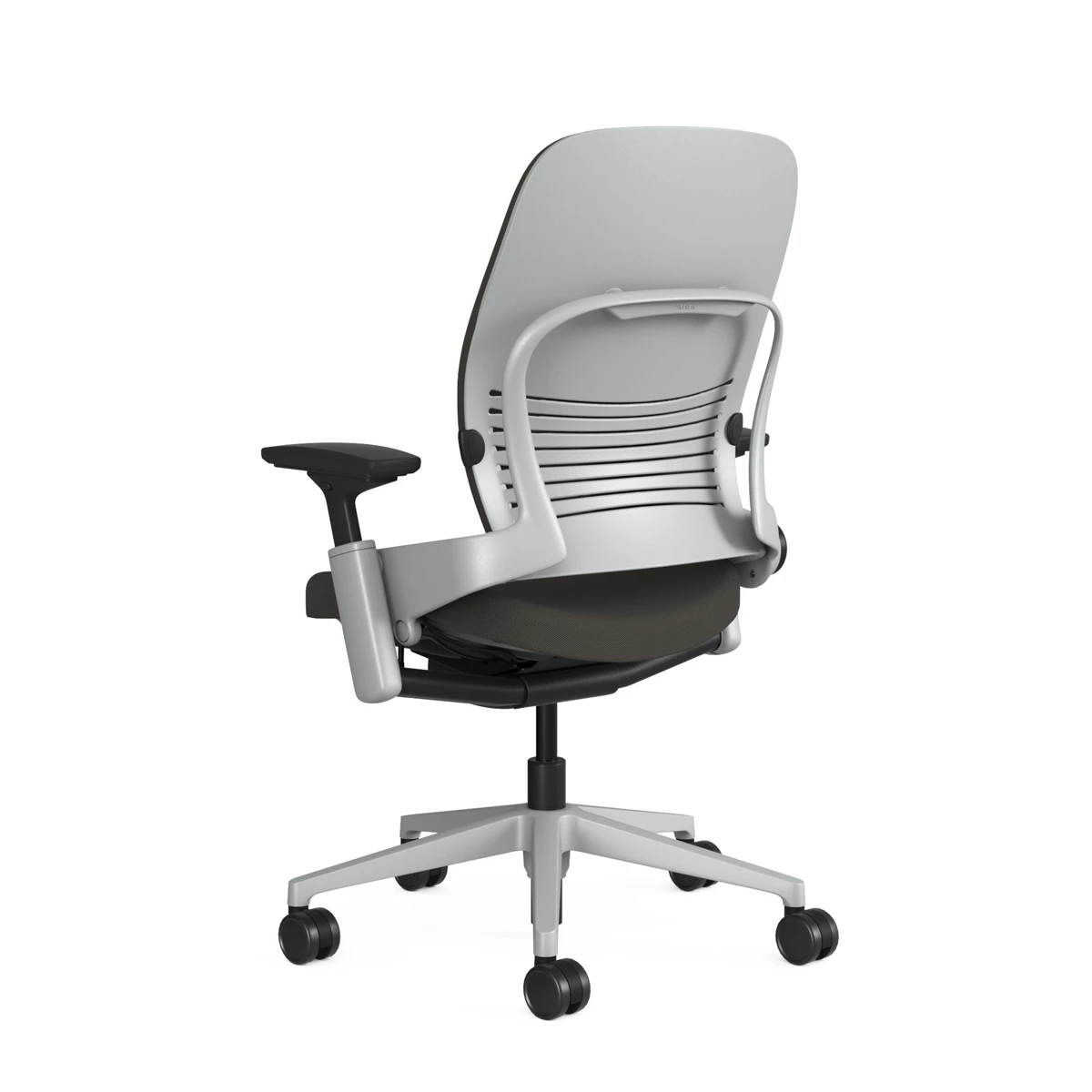
The Leap v2's LiveBack is a flexing backrest that mimics the spine's natural movement — push back into it and the upper section flexes independently of the lower lumbar. For scoliosis users this matters because the back isn't asking the spine to assume a fixed shape; it gives where the spine pushes.
Lumbar firmness is adjustable independently from height. Armrests are 4D (height, width, depth, pivot). The seat is plush-firm — comfortable for 8+ hour days without the dead-leg fatigue that mesh-only chairs sometimes produce. Steelcase factory-refurbished units carry the 12-year warranty and run roughly 40–50% off new.
This is the chair to pick if your scoliosis flares with long sitting and you want the most forgiving back over a long day.
Pros
- LiveBack flexes upper and lower spine independently
- 4D armrests — full independent adjustment per side
- Adjustable lumbar firmness, not just height
- 12-year warranty even on Steelcase-certified refurbished units
Cons
- Cushioned seat retains heat more than full-mesh chairs
- New pricing is high; refurbished is the realistic entry
- Lumbar dial is reachable but not graceful — small ergonomics quibble
4. Herman Miller Aeron — Best Cool & Breathable Pick
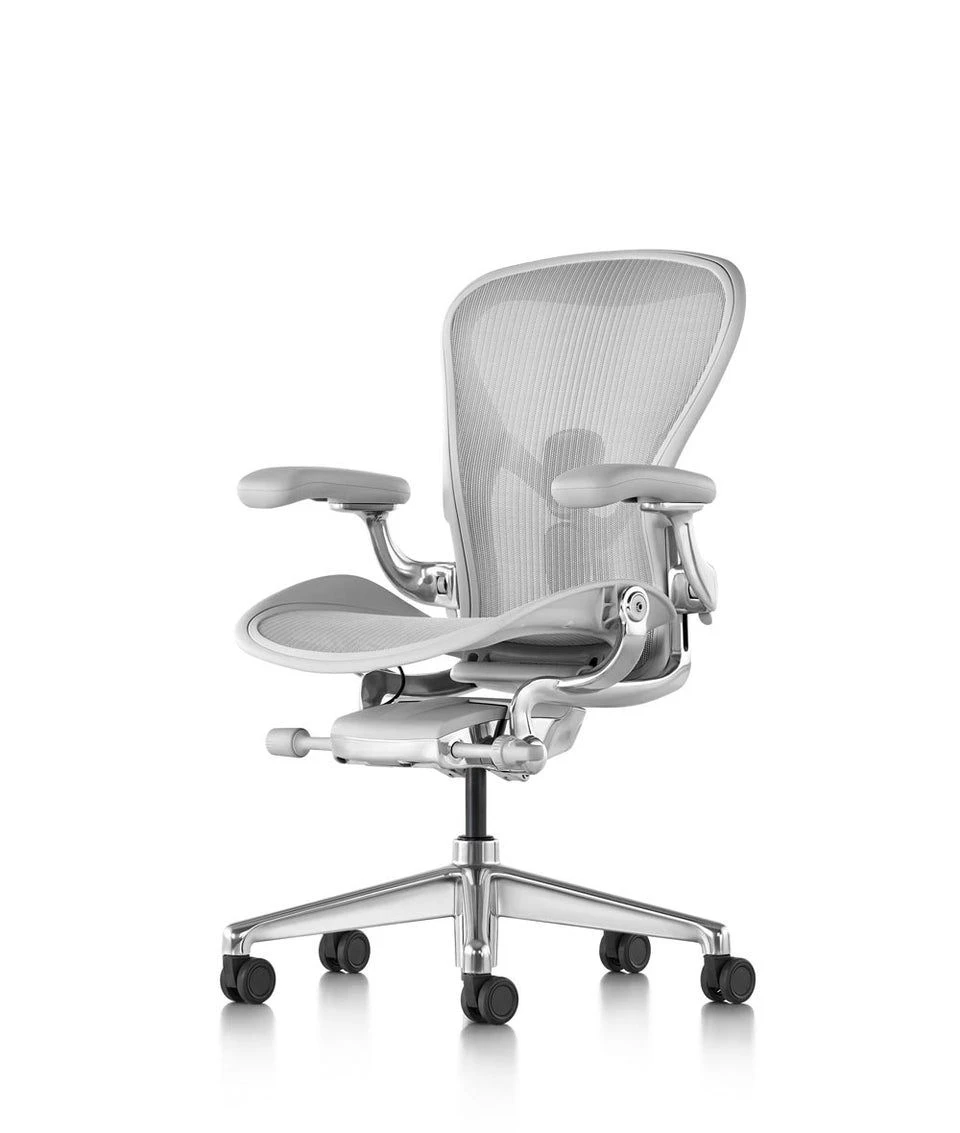
The Aeron's 8Z Pellicle mesh distributes weight without padding — for users who run hot or have skin issues that disqualify foam, it's the standard. The remastered Aeron adds PostureFit SL, a two-pad lumbar system that supports the sacrum and lower lumbar independently, which works better with an asymmetric curve than a single contoured pad would.
It's sold in three sizes (A, B, C) — getting the right size matters more for the Aeron than for any other chair on this list. The size B fits most adults from roughly 5'2"–6'2"; outside that, fit suffers and the chair stops being worth the price.
The Aeron has been continuously sold since 1994 and is the chair refurbished markets have flooded most heavily — used Aerons in good condition often cost half of new and carry independent reseller warranties.
Pros
- Pellicle mesh — coolest sit on the list, no foam
- PostureFit SL supports sacrum + lumbar as two zones
- Three sizes — better fit options for short or tall users
- Robust refurbished market reduces effective cost
Cons
- Mesh edge can dig into thighs on long sessions
- Hard to find at retail price; refurbished is the practical route
- Wrong size = wrong chair — try before buying when possible
5. FlexiSpot C7 — Best Value Adjustable Chair
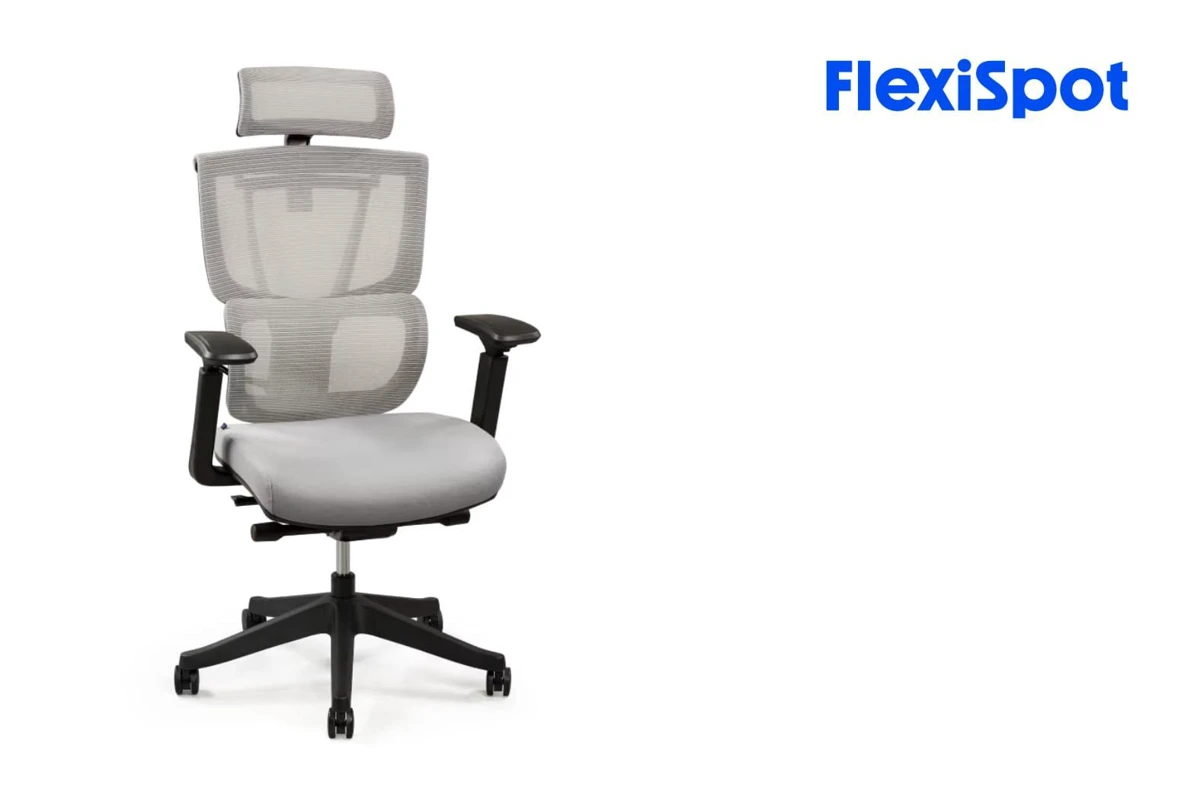
The C7 is what you buy when the Embody and Leap are out of reach but you still want serious adjustability. 135° tilt range, 5D armrests (some configurations), and a flex-mesh back that yields under pressure rather than fighting back. The C7 Max adds a wider seat and stronger lumbar arm.
It's a 2026 SERP-consensus pick across IGN, Tom's Guide, and TechRadar, and the AI Overview specifically calls out its adaptability for asymmetric spines. Build is closer to the Sihoo than the Herman Miller — capable, not luxurious.
If your scoliosis is mild and your sit is mostly under six hours a day, this chair clears the bar at roughly a third of the premium-pick price.
Pros
- Strong recline range (up to 135°) with adjustable tension
- Versatile adjustability for the price
- Wide availability; consumer-friendly warranty
- Mesh-back seat keeps temperature manageable
Cons
- Padding thins out after long sessions for heavier users
- Headrest height range short for users over 6'1"
- Armrest configuration varies by SKU — confirm 4D/5D at purchase
6. QOR360 Ariel — Best Active-Sitting Option
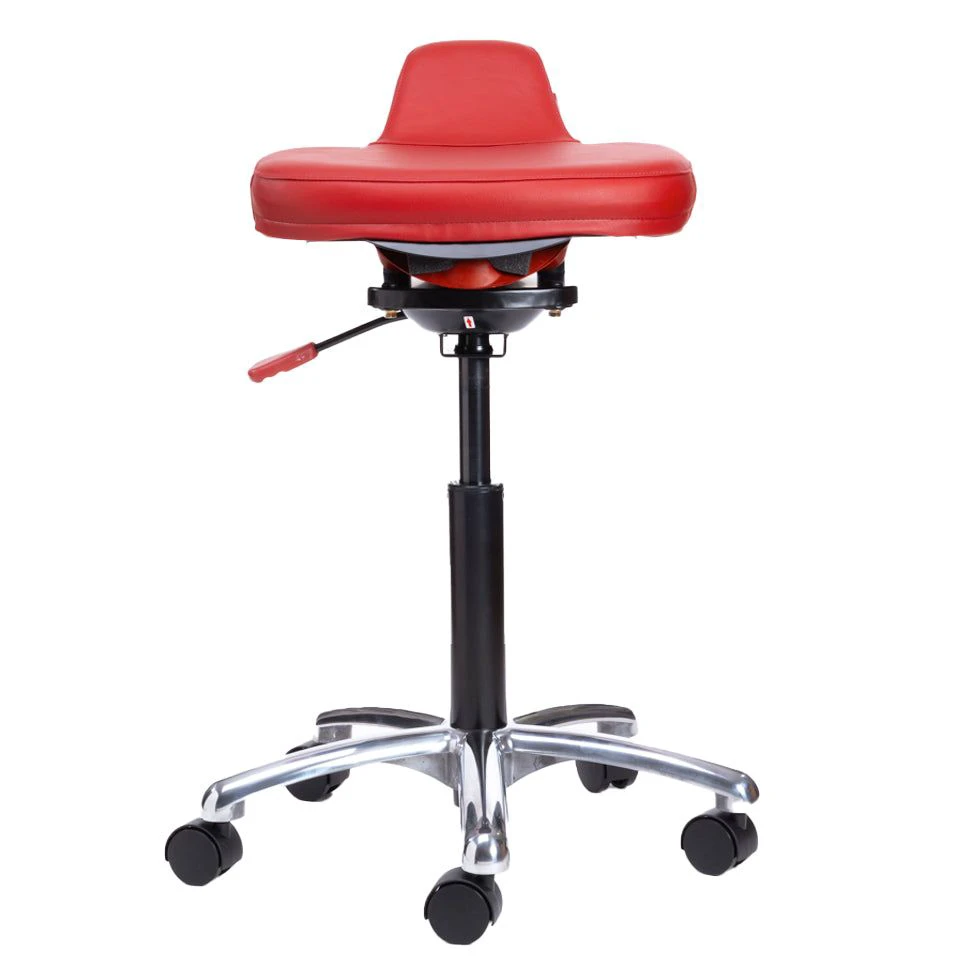
QOR360 takes the opposite approach from the rest of this list: rather than holding the spine in place, the Ariel's RedRocker base lets you tilt continuously in any direction, so the small postural muscles around the spine stay engaged instead of switching off.
It was designed by Dr. Turner Osler, a trauma surgeon — the brand's name appears in scoliosis-specific guides more often than its market share would predict, because the active approach pairs surprisingly well with mild scoliosis. The body keeps adjusting, so no single misalignment locks in.
This is not the chair to pick if you sit for 10-hour days; muscles tire. Use it in rotation with a more conventional chair (or a standing desk) for the best result. A 60-day return policy makes the experiment low-risk.
Pros
- Continuous active motion keeps core engaged
- Designed by a surgeon, with scoliosis explicitly considered
- Compact footprint — fits small offices
- 60-day in-home return policy
Cons
- Tiring for 8+ hour sits — works best in rotation
- No armrests on base model
- Aesthetic is divisive — looks unlike a typical office chair
7. Steelcase Series 1 — Best Compact / Budget Steelcase
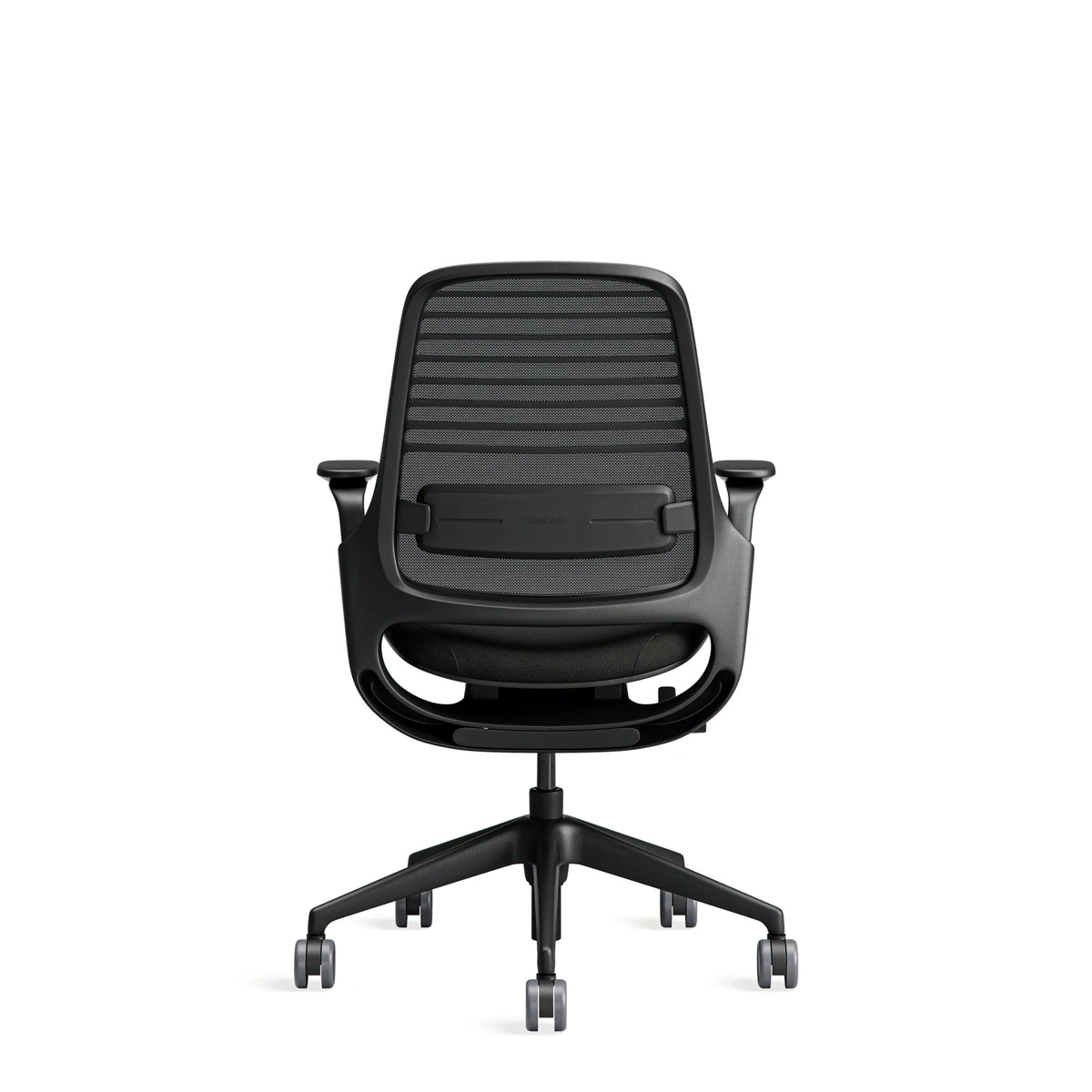
The Series 1 is Steelcase's budget entry — same LiveBack flex technology as the Leap v2, in a smaller and simpler package. For scoliosis users in apartments or shared offices, it's the smallest 4-figure-quality chair on the list.
Backrest flex isn't as deep as the Leap, but it's the same idea: the back gives where you push. Armrests are 4D on most configurations; lumbar is adjustable height-only (not firmness).
A good fit when you want Steelcase engineering and the footprint or budget doesn't allow a Leap.
Pros
- LiveBack flex backrest — same family as Leap v2
- Compact footprint and lighter weight
- 4D armrests on most configurations
- 12-year Steelcase warranty
Cons
- Lumbar adjusts in height only — not firmness
- Less plush than the Leap on long sits
- Cushion can flatten over years on heavier users
How to choose the right chair for your scoliosis
Three questions short-circuit most of this decision:
1. Where is your curve? Lumbar (lower) curves benefit most from chairs with adjustable lumbar firmness (Leap v2) or adaptive lumbar (Sihoo Doro C300). Thoracic (upper) curves need backrest flex through the upper section — Embody's pixelated back or Leap's LiveBack handle this; a fixed lumbar pad does not.
2. How long do you sit? Under 4 hours a day, a budget-tier pick (Sihoo, FlexiSpot, Series 1) is enough. Over 6 hours, the long-warranty chairs (Embody, Leap v2, Aeron) repay their cost in disc-load reduction and durability.
3. Are your shoulders level? If one shoulder rides higher, you need armrests that adjust independently — 4D minimum. Most chairs on this list qualify; the Embody is the notable exception with 3D.
For severe scoliosis (Cobb angle > 40°), pair any chair with standing-desk rotation and consult a physical therapist before committing — a chair manages load while you sit, but no chair on the market corrects a curve.
Frequently asked questions
What chair is best for scoliosis?
The Herman Miller Embody is the consensus 2026 pick — its pixelated backrest adapts to asymmetric spinal curves better than any other chair on the market. For users on a tighter budget, the Sihoo Doro C300 offers dynamic adaptive lumbar at roughly a quarter of the Embody's price.
What is the best way to sit if you have scoliosis?
Feet flat, hips slightly higher than knees, lumbar supported by the chair (not by holding posture). Set armrests independently so each shoulder rests at its natural height — forcing symmetry creates new tension. Stand and walk for at least five minutes every hour to offload the spine.
Can an ergonomic chair fix scoliosis?
No. Chairs manage load distribution and reduce pain while you sit, but no chair corrects a spinal curve. For progressive or severe scoliosis (Cobb angle above 40°), bracing, physical therapy, or surgical evaluation are the medical paths. A good chair is supportive of treatment, not a substitute.
Should I get a chair with a headrest if I have scoliosis?
Useful but not critical. A headrest reduces neck strain during recline, which matters more when scoliosis affects the cervical region. If you mostly sit upright, you can skip it. The Embody, Aeron, and Leap v2 all offer optional headrests; many users add one after a trial period.
Is mesh or padded foam better for scoliosis?
Both work — the question is heat and pressure tolerance, not scoliosis specifically. Mesh distributes weight evenly without padding and runs cool (Aeron, Sihoo). Foam adds plushness for long sits but can compress unevenly under an asymmetric load (Leap v2 partially, Embody mostly). For 8+ hour days, mesh wins; for general office use, foam is fine.
What's the difference between dynamic and adjustable lumbar support?
Adjustable lumbar locks to a single height and firmness once you set it. Dynamic (or adaptive) lumbar follows your back as you shift — the support point moves with you. For an asymmetric scoliosis curve, dynamic lumbar usually feels better because there's no single "correct" position to lock in.