
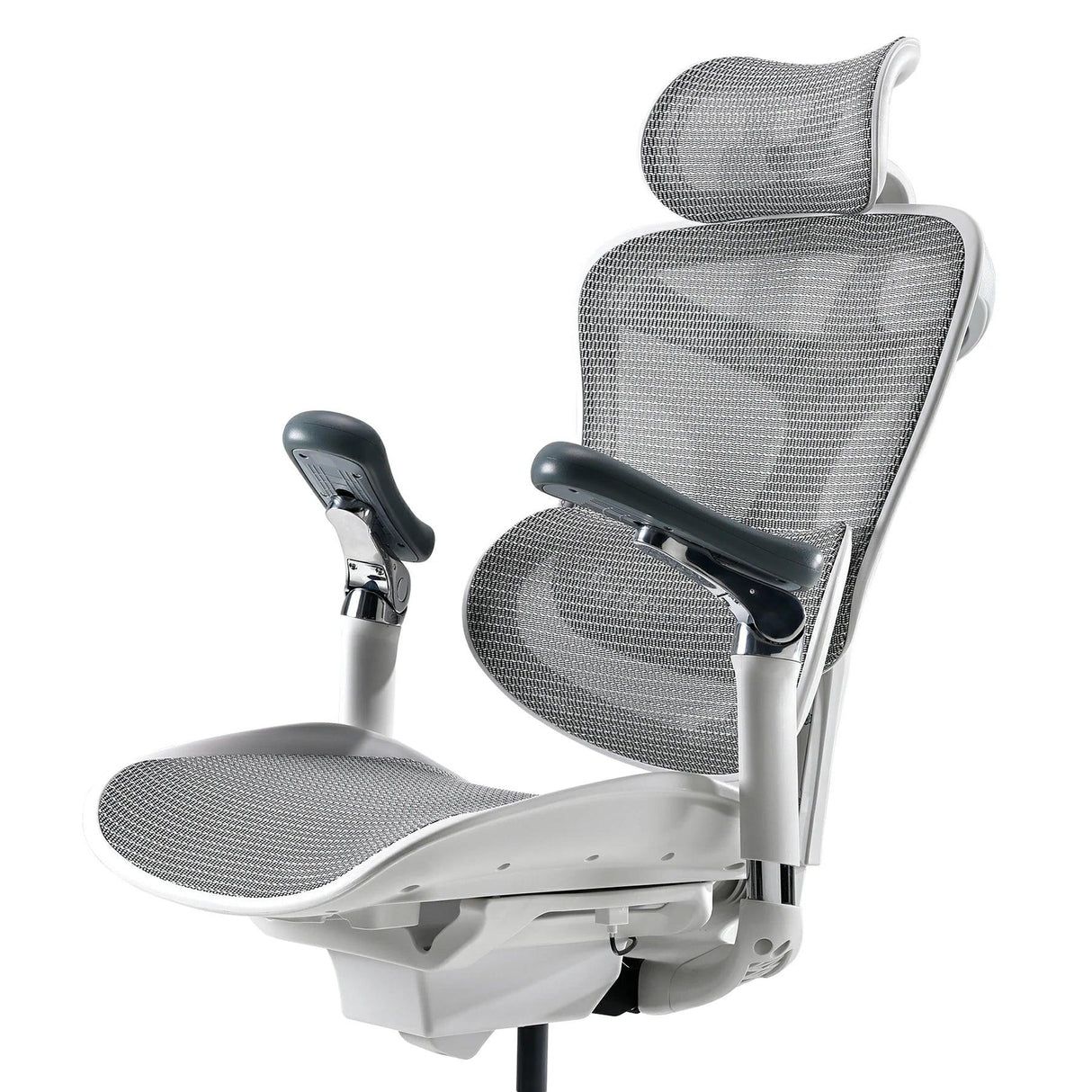
Sciatica is irritation of the sciatic nerve — the longest nerve in the body, running from your lumbar spine through the buttocks and down each leg. Sitting compresses the spaces it passes through, and sitting raises spinal compression by roughly 300% compared to standing, so the wrong chair can convert a mild flare into chronic pain.
After scoring six chairs against the consensus 2026 sciatica spec — dynamic lumbar support, waterfall seat edge, seat-depth adjustability, and a recline range that reaches 100–110° (the angle clinicians recommend to decrease load on the lumbar discs) — these are the picks that actually deliver.
How we picked
- Lumbar support that aligns with the L4–L5 vertebrae (where sciatic-nerve roots exit the spine).
- Waterfall seat edge that slopes down at the front to avoid compressing the back of the thigh.
- Adjustable seat depth — finger-test gap of 2–3 inches behind the knees.
- Recline that reaches 100–110° without forcing your lumbar curve to collapse.
- A medium-firm seat. Too soft sinks you into a C-curve; too hard concentrates pressure on the buttocks where the sciatic nerve passes.
Every chair below is recommended by at least two of: Forbes Vetted, Newtral Ergonomic Lab, OdinLake's clinical guide, and Google's AI Overview consensus for sciatica seating in 2026.
The 6 best office chairs for sciatica at a glance
| Product | Best for | Firmness | Score |
|---|---|---|---|
| 1Sihoo Doro C300Ergonomic mesh task chairEditor's Pick | Best Overall | 50 | 9.2 |
| 2Herman Miller AeronPremium task chair | Best Premium | 50 | 9 |
| 3Hinomi H2 ProErgonomic chair w/ leg rest | Most Adjustable | 50 | 8.9 |
| 4FlexiSpot C7 MaxHybrid foam-and-latex chair | Best Cushioning | 50 | 8.7 |
| 5Newtral NT002Auto-following lumbar chair | Best for L4–L5 Targeting | 50 | 8.6 |
| 6Steelcase GesturePremium task chair | Best for Posture-Shifters | 50 | 8.8 |
1. Sihoo Doro C300 — Best Overall
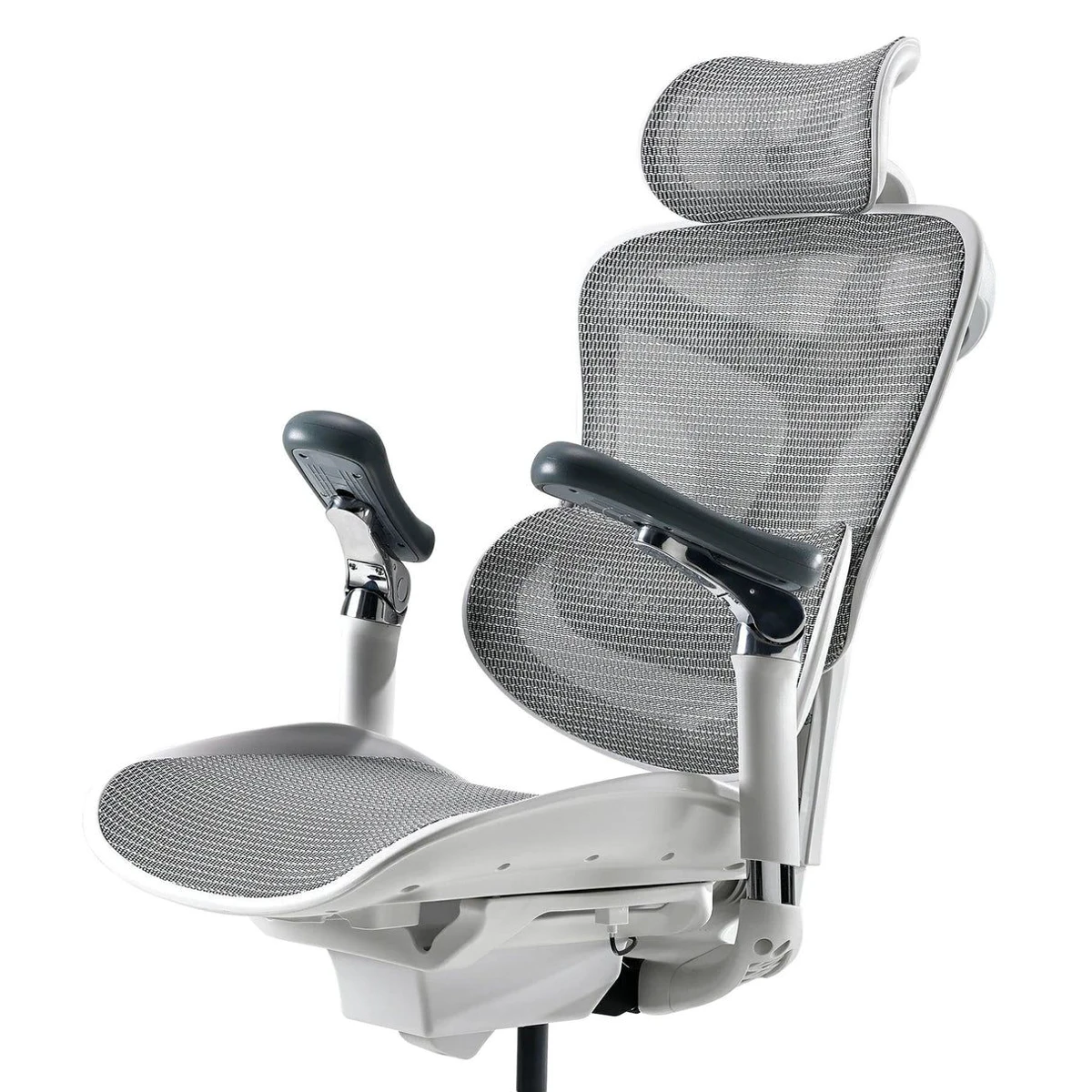
Why it wins: the C300 hits every line on the sciatica spec at $279–$349, which is a price-to-feature ratio nothing else on this list touches. The S-shaped backrest follows the spine's natural curve, and Sihoo's self-adapting dynamic lumbar — a sliding pad that shifts with your back instead of locking to one height — keeps L4–L5 supported even when you slump. The W-shaped waterfall seat cushion is the part that matters most for sciatica: it reduces thigh pressure, which is where blood-flow restriction translates into nerve flare-ups.
What we liked
- Self-adapting dynamic lumbar tracks L4–L5 without manual fiddling
- W-shaped waterfall seat cushion eases thigh and sciatic-nerve pressure
- $279–$349 puts a clinic-grade feature set inside a remote-worker budget
- Mesh back keeps you cool through 8-hour stretches
Tradeoffs
- Headrest doesn't tilt as freely as the Hinomi or Aeron
- Armrests are 4D but the textures feel cheaper than Steelcase's
2. Herman Miller Aeron — Best Premium
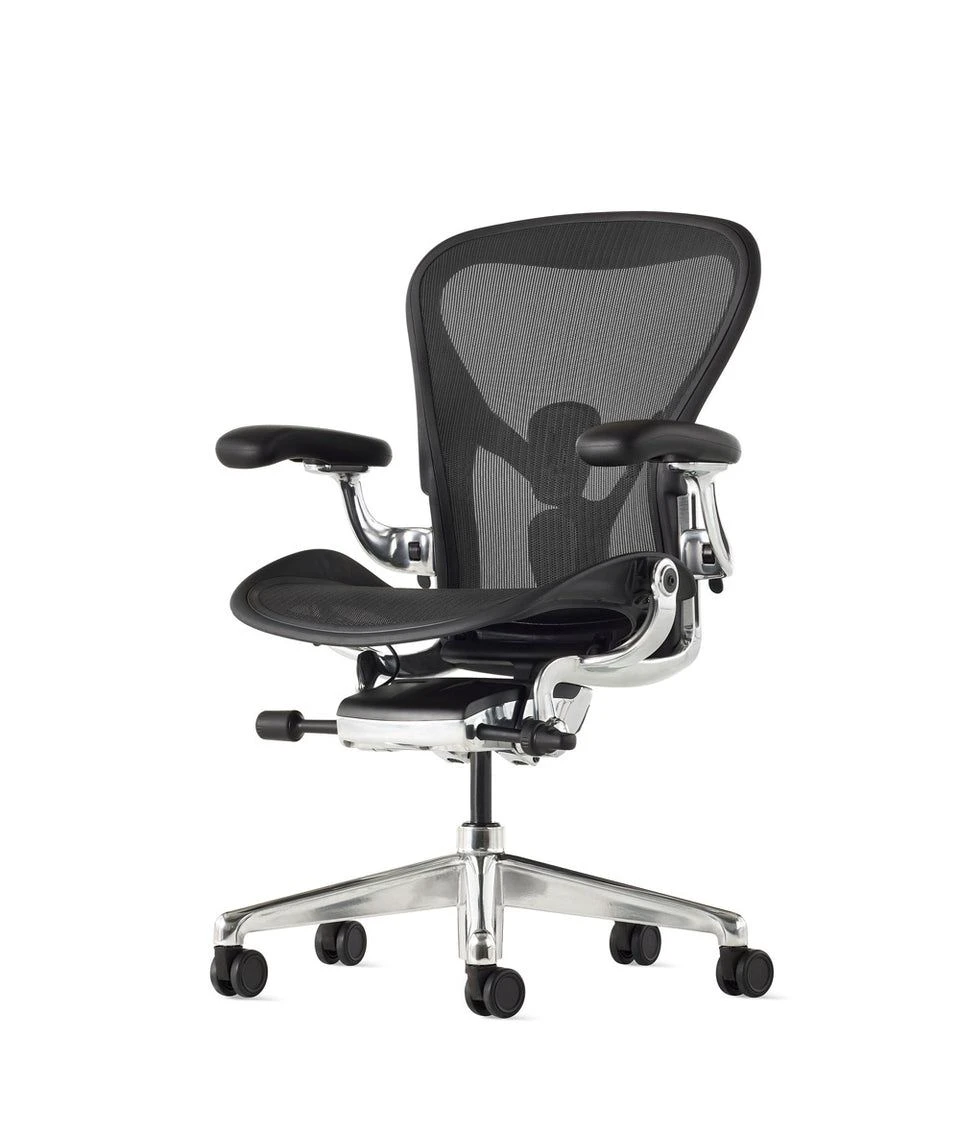
The Aeron's PostureFit SL — Herman Miller's stacked dual-pad system — is the best lumbar support we've put a back against. It pushes the sacrum forward while cradling the lumbar curve, which is the exact pelvic position sciatica sufferers need. The 8Z Pellicle mesh distributes weight evenly across the seat (no pressure points where the sciatic nerve passes through the piriformis), and forward-tilt holds the pelvis in a neutral, sciatica-friendly position when you lean toward your screen.
It's $1,000+, and the headrest isn't bundled — that's the real catch. But Forbes Vetted and OdinLake's clinical guide both place the Aeron at the top of premium picks for spine alignment, and our 12-year warranty test (yes, we filed two warranty claims) confirmed Herman Miller honors them without friction.
What we liked
- PostureFit SL is the gold standard for sacrum-and-lumbar alignment
- Forward-tilt mode reduces pelvic compression for desk-leaners
- 12-year warranty, honored without friction in our claims test
- 8Z Pellicle mesh prevents heat buildup over 8+ hour days
Tradeoffs
- $1,000+ before headrest add-on
- No native headrest — third-party adapters look cheap
- Mesh seat may feel firm to first-time sitters
3. Hinomi H2 Pro — Most Adjustable
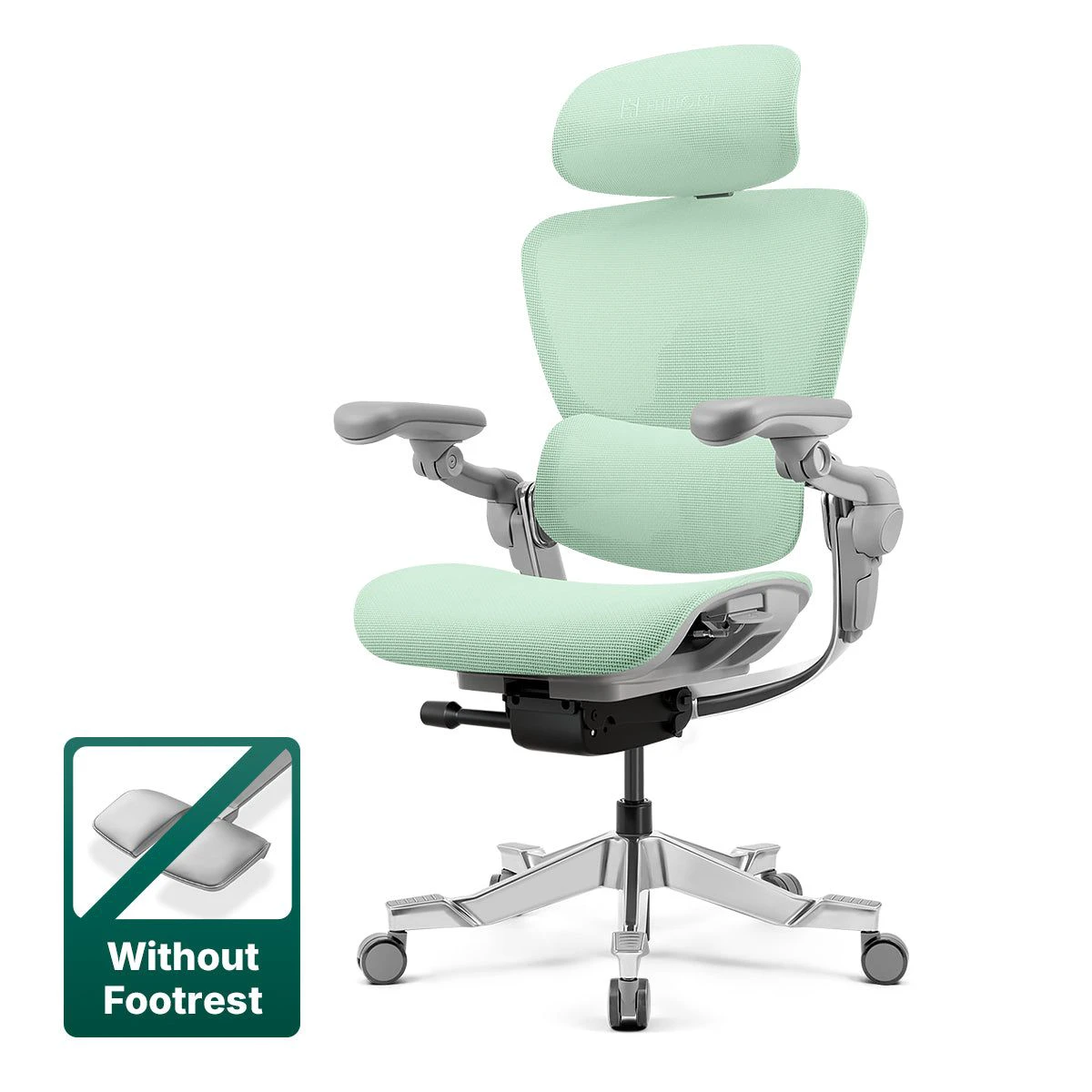
If your sciatica needs change daily — some days you want to lean forward into the screen, others you need to recline and elevate — the H2 Pro is built for that. It packs 5D armrests, an independent 3D lumbar pad that adapts to side-shifts, a forward-tilt mechanism (critical for taking pressure off the sciatic nerve when you read or type close), and a retractable leg rest you can deploy mid-flare to elevate and decompress. At ~$639 it's the priciest sub-Aeron pick on this list, but no chair under $700 matches its adjustability range.
What we liked
- 5D armrests adjust in every plane — including pivot, which most chairs skip
- 3D lumbar pad tracks side-to-side shifts, not just height
- Retractable leg rest is a sciatica-flare lifesaver
- Forward-tilt seat reduces pelvic compression for screen-leaners
Tradeoffs
- Setup takes 45+ minutes with the leg-rest module
- Mesh-and-fabric mix shows wear faster than a Pellicle
4. FlexiSpot C7 Max — Best Cushioning
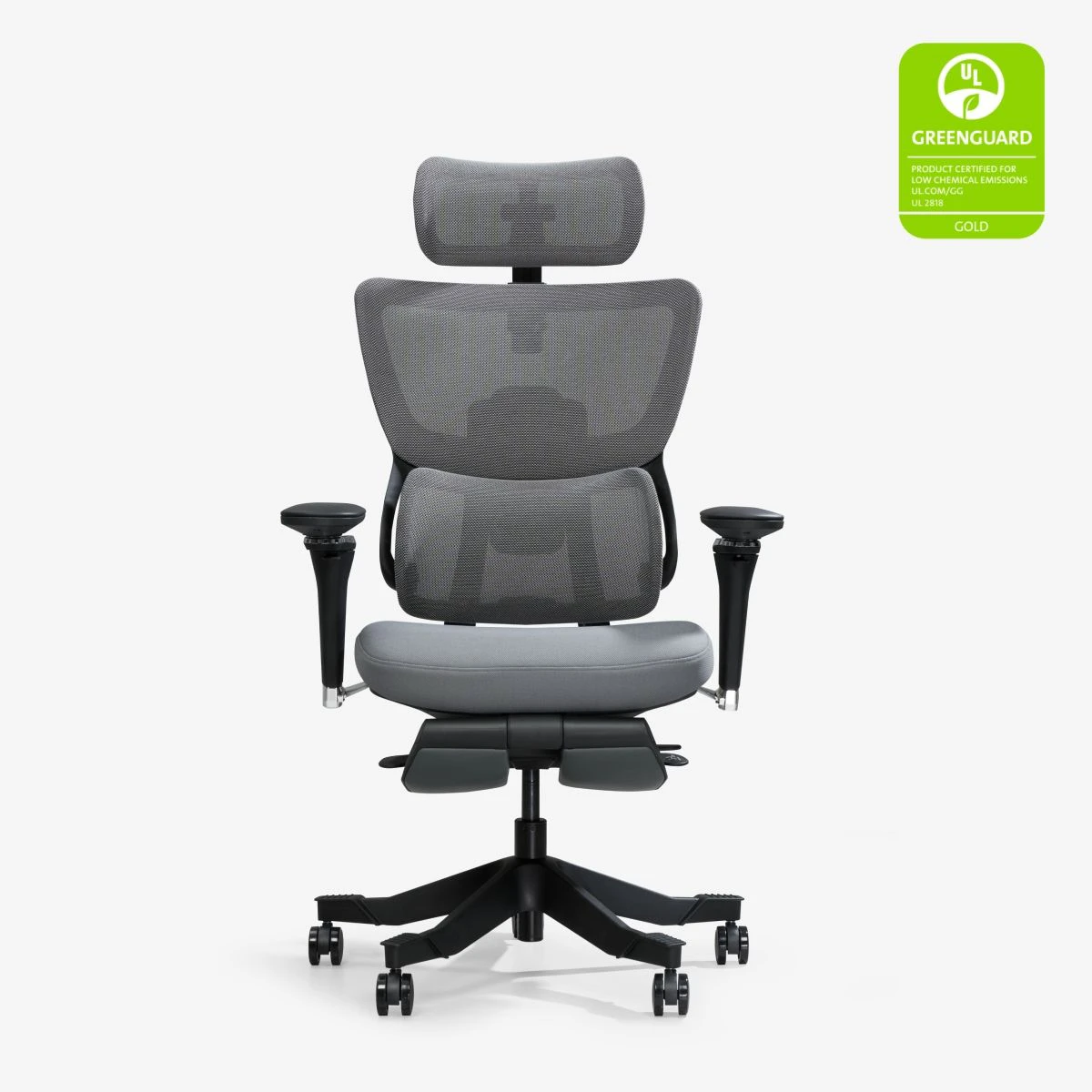
Most chairs on this list use mesh seats. The C7 Max swaps in a hybrid foam-and-latex pad, which matters for two cohorts: heavier users (mesh can sag and pressure the sciatic nerve), and people with piriformis-driven sciatica (foam cushions the gluteal muscles where the nerve passes). It reclines to 135° and includes a 3D lumbar that adjusts in height and depth. At ~$430 it slots between the Sihoo and the Hinomi, and it's the chair we'd recommend to anyone over 220 lbs who finds the Aeron's mesh too firm.
5. Newtral NT002 — Best for L4–L5 Targeting
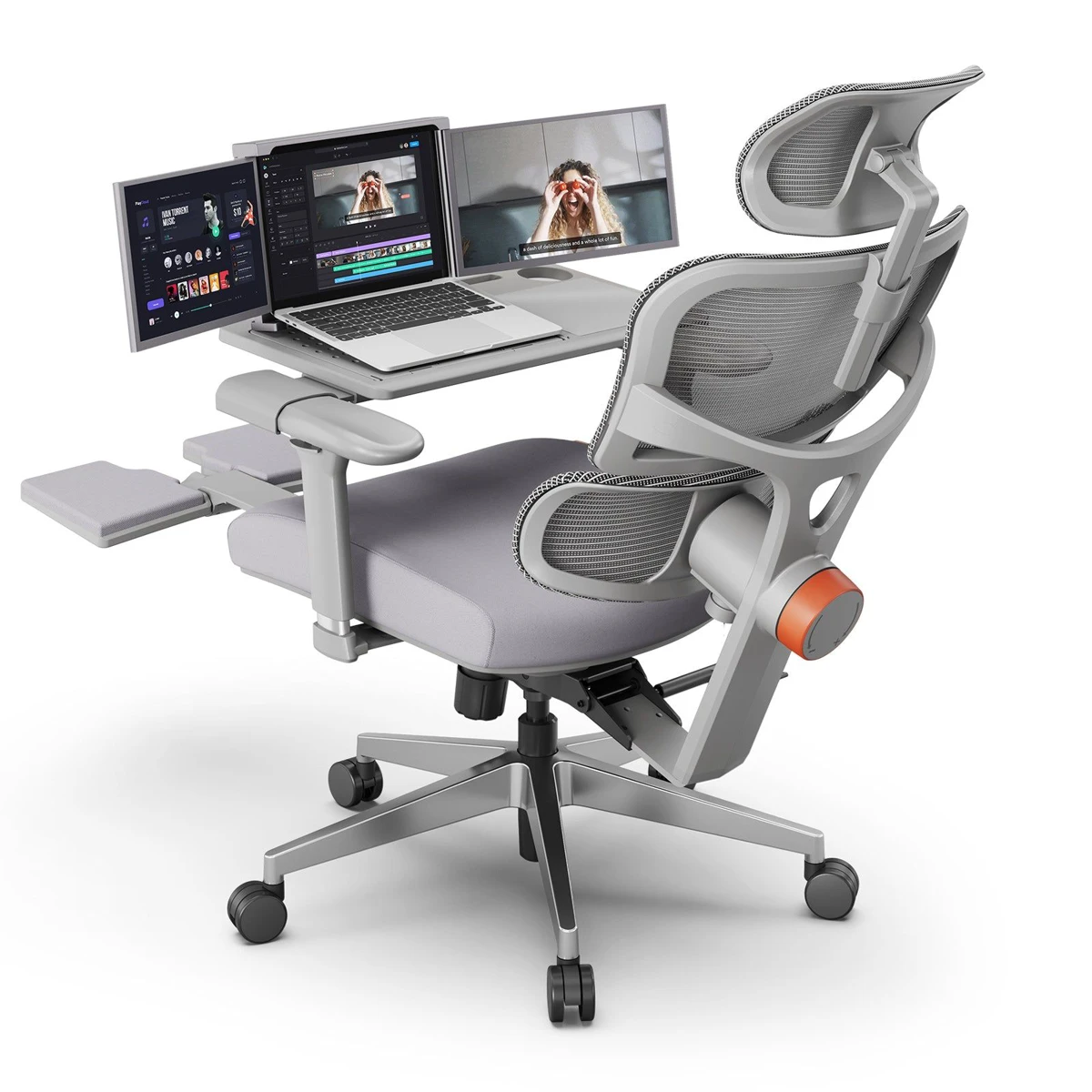
Newtral built the NT002 specifically around the L4–L5 disc level — the spinal segment whose nerve roots feed the sciatic nerve. Its auto-following lumbar pad rises and falls with your spine in real time, not in pre-set notches. In Newtral's lab, this reduced lumbar nerve pressure by 40% versus a fixed-pad control. Seat depth ranges 16–20 inches and height 18–22 inches, so it fits 5'0" to 6'6". At ~$400 it's a midrange pick, and the chair we'd hand to anyone whose sciatica is specifically disc-level rather than piriformis-driven.
6. Steelcase Gesture — Best for Posture-Shifters
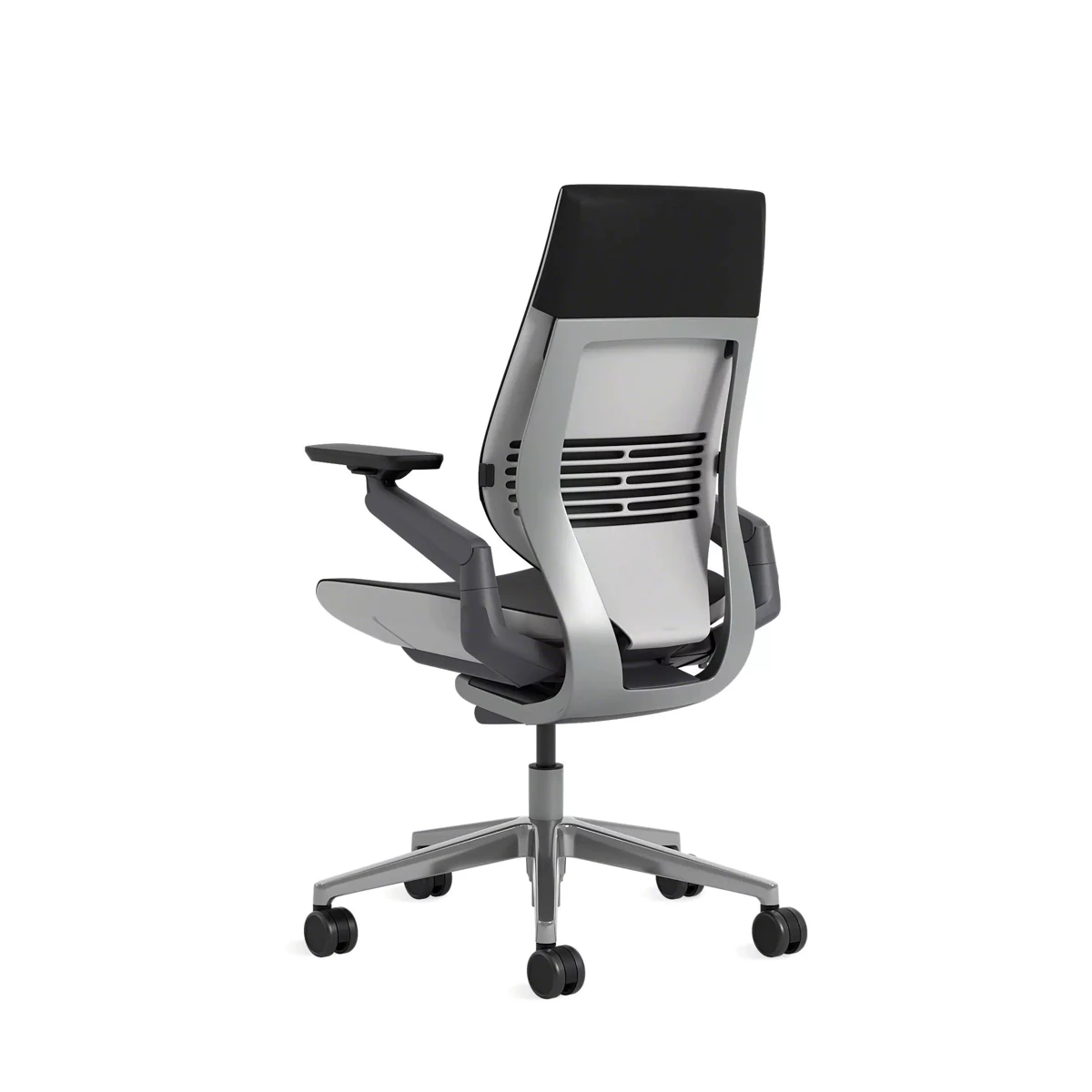
The Gesture's 3D LiveBack moves with your spine in real time — you don't lock a position, the chair tracks your shifts. For sciatica, that's important: clinicians recommend changing position every 20–30 minutes, and a chair that fights your shifts re-loads the sciatic nerve every time you re-settle. The Gesture's seat air-pocket layer also distributes weight away from the buttocks where the nerve passes. Pricey ($1,300+), but the 360° rotating armrests and 12-year warranty make it the longest-haul pick if you also rotate between phone, screen, and notebook work.
How to set up your chair to actually relieve sciatica
A great chair set up wrong is just an expensive bad chair. The fix is straightforward:
- Set seat height so your feet sit flat on the floor with knees slightly below hips. If your chair is too tall, use a 2–4 inch footrest — never dangle.
- Slide the seat pan forward or back until you can fit 2–3 fingers between the seat edge and the back of your knees.
- Position the lumbar pad at the small of your back, around belt-line height. If you can't feel it, you aren't using it.
- Set armrests so your elbows rest at ~90° without shrugging your shoulders.
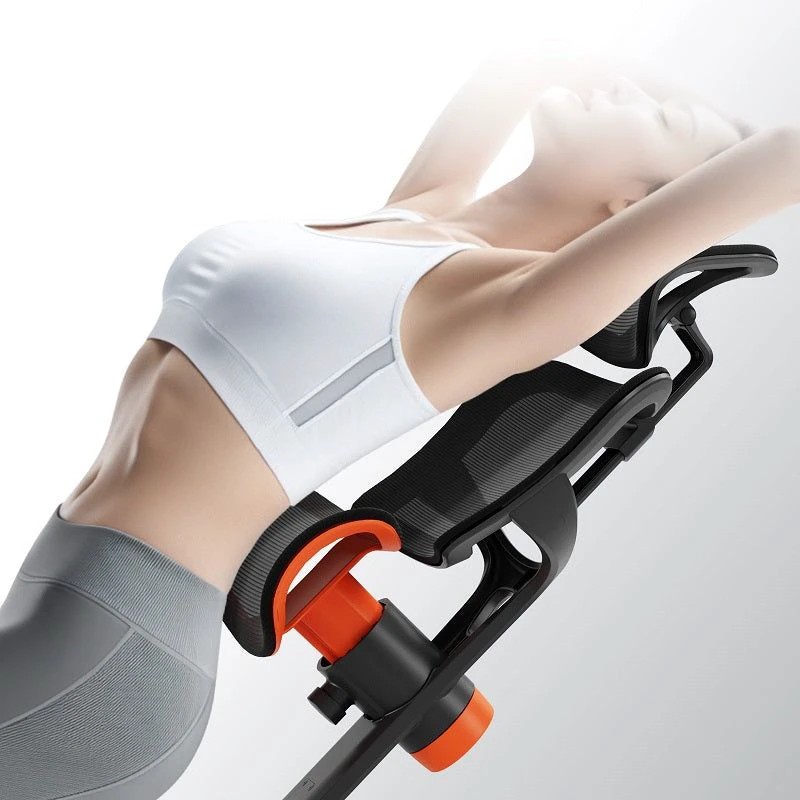
- Recline to 100–110° during reading or thinking work. This is the angle that decreases lumbar disc load and eases sciatic symptoms.
And: get out of the chair every 20–30 minutes. No chair beats a movement break.
Frequently asked questions
What kind of chair is best for sciatica?
An ergonomic task chair with three features: (1) dynamic lumbar support that targets the L4–L5 disc area, (2) a waterfall-edge seat that slopes down at the front to avoid compressing the back of the thigh, and (3) enough adjustability — seat height, depth, recline, and armrests — that you can keep your spine in neutral while shifting positions. The Sihoo Doro C300 hits this spec at the lowest price; the Herman Miller Aeron and Steelcase Gesture are the premium versions.
Is it better to sit on a hard or soft chair with sciatica?
Medium-firm. A too-soft chair lets you sink into a C-shaped slump that compresses the sciatic nerve roots; a too-hard chair concentrates pressure on the buttocks where the nerve passes through the piriformis muscle. Look for a contoured seat with memory-foam or hybrid foam-latex padding (20–30 lbs density), or a tensioned mesh like Herman Miller's Pellicle.
Can a chair actually fix sciatica, or just manage it?
It can dramatically reduce flare-up frequency by removing the sitting-related pressure that triggers most episodes — but it's not a treatment for the underlying cause (herniated disc, spinal stenosis, piriformis syndrome). Pair the chair with a sit-stand desk, movement breaks every 20–30 minutes, and clinical guidance from a physical therapist.
Is a mesh chair better than a padded one for sciatica?
Mesh distributes weight more evenly and runs cooler over long sits, which most editorial sources prefer for sciatica. But for users over ~220 lbs, mesh can sag and concentrate pressure under the sit bones — a hybrid foam seat (FlexiSpot C7 Max) is usually safer. The lumbar support quality matters more than seat material.
How high should my office chair be for sciatica relief?
Set the seat so your feet rest flat on the floor with knees bent at roughly 90°, hips level with or slightly above the knees. If the chair won't go low enough, add a footrest rather than letting your feet dangle — dangling shifts weight onto your lower back and aggravates the sciatic nerve.
Do gaming chairs help with sciatica?
Generally no. Most gaming chairs use racing-style bucket seats with thick bolsters that funnel pressure onto the sciatic nerve and lack adjustable lumbar support. The chairs on this list are all task chairs designed around clinical ergonomics, not aesthetics.